


Creating a National Park in the Driftless Region: Economic Benefits and Next Steps
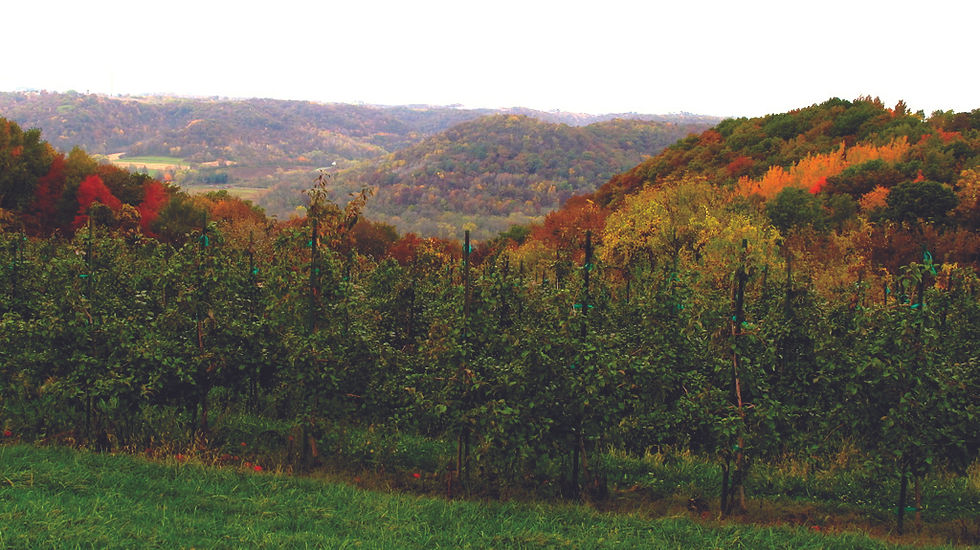
The Driftless Region stands out in the United States for its unique geologic and cultural history. Unlike much of the Midwest, this area escaped the flattening effects of continental glaciers during the Ice Age, leaving behind a rugged landscape filled with deep river valleys, bluffs, and springs. This distinct terrain supports the highest biodiversity in the Midwest and offers abundant outdoor recreation opportunities. Despite its natural and cultural richness, the region lacks a national park, making it a prime candidate for one. Establishing a national park here could bring significant economic benefits and enhance public access to this remarkable landscape.
The Driftless Region’s Unique Appeal
The Driftless Region’s geologic history sets it apart. While glaciers reshaped much of the Midwest, this area was bypassed, preserving its rugged hills and valleys. This has created a landscape rich in biodiversity, including rare plants and animals not found elsewhere in the region. The cultural history here is equally compelling, with small towns, historic sites, and a strong connection to the land.
The Great River Road, often called the nation’s prettiest drive, runs through the Driftless Region, offering travelers stunning views and easy access to outdoor activities like hiking, fishing, and birdwatching. Despite these attractions, the region lacks the recognition and protection that a national park designation would provide.
Economic Benefits of a National Park
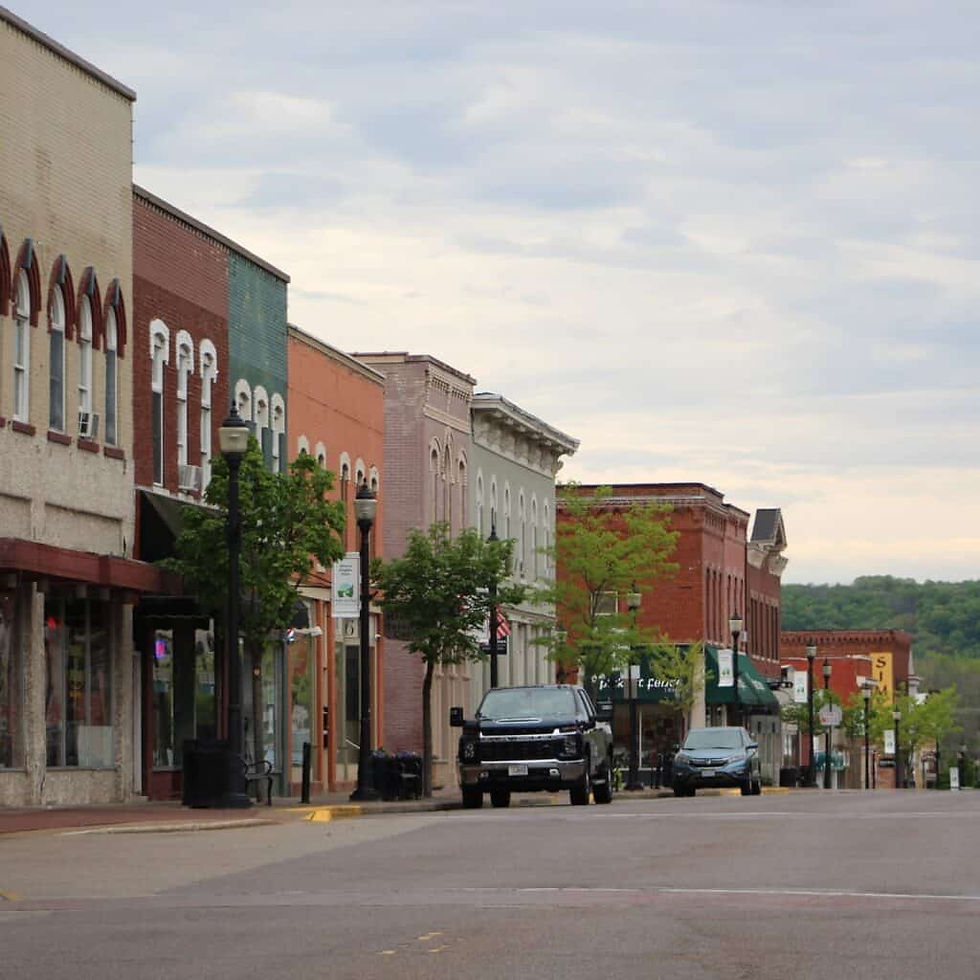
Creating a national park in the Driftless Region would bring more than just environmental and recreational benefits. Studies estimate that such a park could generate approximately $192 million in direct spending annually within the region. This spending includes tourism-related expenses such as lodging, dining, and outdoor activities.
When this money circulates through the local economy, it adds an estimated $124 million in value, bringing the total annual economic impact to about $316 million. This influx of funds could support up to 5,000 jobs in the area, ranging from park staff to local business employees.
The economic engine created by a national park would be strong enough to cover the cost of acquiring parkland within just three years. This makes the proposal not only environmentally and culturally valuable but also financially sound.
Steps Toward Establishing the Park
To move forward, the U.S. Congress must authorize the National Park Service (NPS) to conduct a Special Resource Study. This study will evaluate whether the Driftless Region meets the criteria of national significance, suitability, and feasibility for becoming a national park.
Even without a formal directive, any member of Congress can introduce a draft bill to allow the NPS to begin preliminary assessments. If these initial findings are promising, the NPS can request a fully funded Special Resource Study.
Once the study is complete, a report will be published and shared with Congress and the public. Following hearings, Congress must pass a bill, and the President must sign it into law to officially create the park.
Why Your Support Matters
The process to create a national park in the Driftless Region depends heavily on public awareness and support. Residents, visitors, and nature lovers can help by contacting their congressional representatives to express support for the Special Resource Study and eventual park designation.
A national park here would protect a unique landscape, boost the local economy, and provide accessible outdoor experiences for generations to come. Your voice can help turn this vision into reality.


Comments